
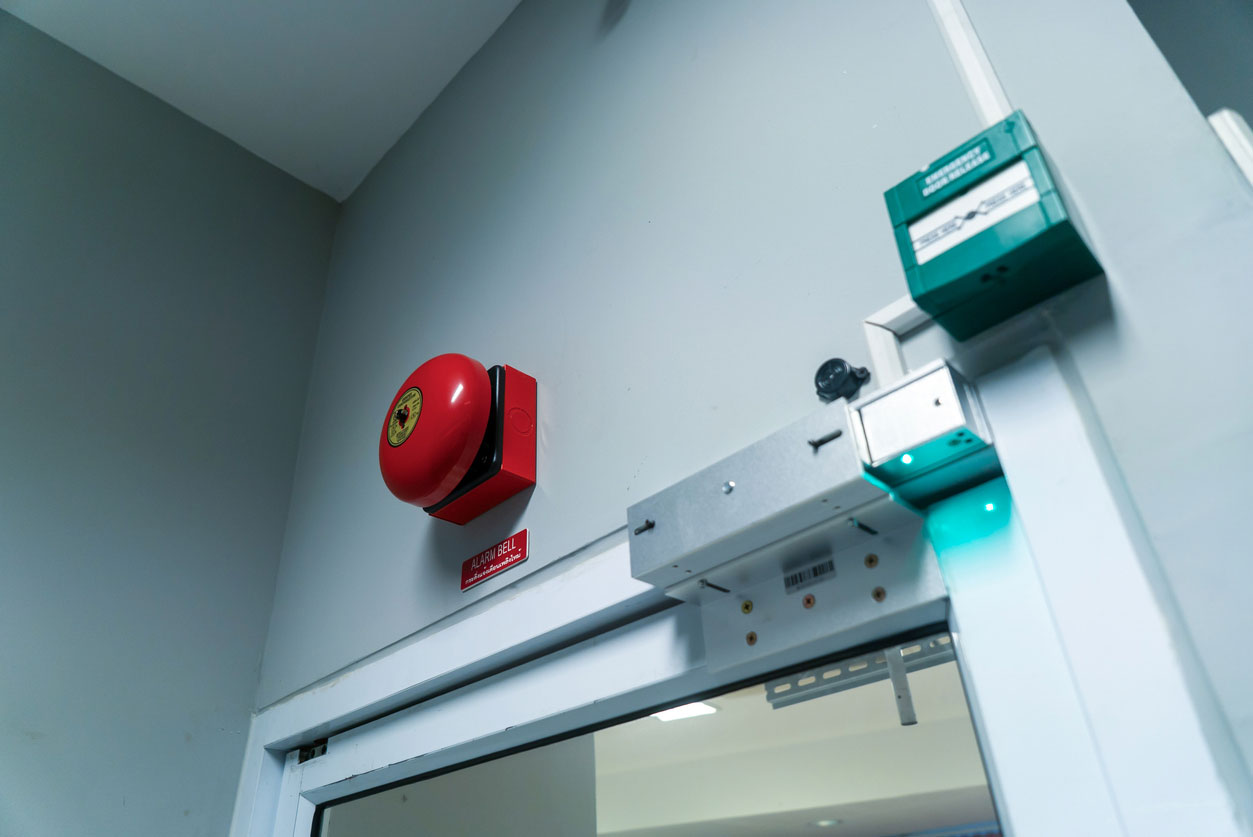
Ask most facility managers what worries them about environmental monitoring, and they’ll talk about missing an excursion. Fewer will bring up the opposite problem: a system that cries wolf so often that staff stop trusting it. That’s alarm fatigue, and it’s one of the leastdiscussed risks in continuous monitoring, even though it can quietly undo the entire point of having a monitoring system in the first place.
How a Good System Turns into Background Noise
Alarm fatigue rarely happens on purpose. It creeps in gradually, usually from good intentions.
A facility sets tight thresholds to be cautious, and a refrigerator that briefly reads two degrees warm during a routine restock triggers the same alert as a genuine compressor failure. A sensor near a frequently opened door fires every time someone walks through. A pressure differential alarm trips during a known, harmless HVAC cycling event that nobody bothered to account for. Each alert is technically accurate, and none of them, on its own, is a crisis. But multiply that by dozens of notifications a week, and the people responsible for responding start doing what people always do when a signal stops carrying information. They tune it out.
The danger isn’t the false alarms themselves. It’s what they train staff to do: glance at a text, assume it’s nothing, and move on. That habit doesn’t discriminate between the alert that doesn’t matter and the one that does.
Why This Matters More in Regulated Environments
In hospitals, pharmaceutical manufacturing, cleanrooms, and cold chain operations, alarm fatigue isn’t just an annoyance. It’s compliance and safety exposure. An excursion that gets acknowledged and dismissed out of habit, rather than investigated, can turn into a documentation gap during an audit, a product loss that wasn’t caught in time, or worse, a patient safety issue. Regulators don’t ask whether an alert fired. They ask what happened after it did, and a facility with a pattern of dismissed alarms has a harder story to tell than one with a clean, credible response record.
What a Well-Tuned Monitoring Program Looks Like
The goal isn’t fewer alarms for their own sake. It’s alarms that mean something every time they fire. A few practices tend to separate systems people trust from systems people ignore:
- Thresholds set around actual risk, not arbitrary round numbers. A limit should
reflect how long a condition can persist before it’s genuinely a problem, not just a
tidy number that felt safe at setup. - Delay or duration logic for known transient events. A door opening for thirty
seconds isn’t the same as a compressor failure lasting thirty minutes, and the
system should be able to tell the difference. - Escalation tiers instead of one-size-fits-all alerts. A minor deviation might
warrant a dashboard flag, while a sustained excursion should escalate to a phone
call. Treating every event identically trains staff to treat every event as minor. - Periodic review of alarm history. If the same sensor keeps generating repeat alerts
for the same non-issue, that’s a sign the setup needs adjusting, not a sign staff need
to get better at ignoring it. - Clear ownership for response. An alert sent to a shared inbox nobody checks after
hours is functionally the same as no alert at all.
None of this requires dialing back sensitivity to real problems. If anything, a well-tuned system catches genuine excursions faster, because staff respond the moment something comes through instead of assuming it’s routine.
The Real Test of a Monitoring Program
A monitoring system isn’t judged by how many alerts it sends. It’s judged by whether the people receiving those alerts still trust them six months in. That trust is built through deliberate configuration, not left to chance, and it’s worth revisiting periodically as equipment, staff, and facility layouts change over time.
If your team has started treating certain alerts as background noise, that’s not a training problem. It’s a signal the system itself is due for a second look.
SMARTScan’s monitoring platform supports configurable thresholds, duration-based logic, and tiered alert escalation, so notifications stay meaningful instead of becoming routine. If you’d like help reviewing how your current alarm setup is performing, our team will be glad to take a look.